 |
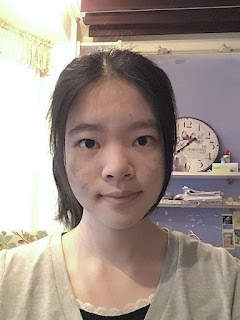
| 16 year-old novelist, Hermione Lee |
Hi,
everyone. I'm Hermione Lee. It's a huge honor to be invited to do a blog post
here on Insecure Writers Support Group. In this post, I'll be discussing my
journey of publication and the lessons I learnt along the way.
I've always
known I'd be a writer. Fortune smiled upon me when I was thirteen (a month
before I turned fourteen), bestowing upon me a story idea inspired by the
fountain in the middle of the courtyard in my school. I birthed a manuscript
titled In the Name of the Otherworld the next year in February.
The thought
of completing a novel at my age thrilled me, but it also made me extremely
pompous at the same time. I sent my manuscript to my aunt, who was an expert in
English. Expecting a positive reply complimenting my incredible work, I waited
patiently.
And then
came the phone call
The feedback
I reaped was far from my expectations. My aunt spotted every error in the
manuscript I deemed a bestseller-to-be, from unreasonable scenes to trashy
sentences. Thanking her, I decided to respect her opinion, although I thought
to myself there was no need to heed her advice. I didn’t think there was
anything wrong with it.
During the
next six months, I started writing a collection of fantasy adventure short stories
inspired by the educational magazines our English teacher made us read. I ended
up growing a lot, honing my craft and skills on creative writing. After I
completed them, I went back to edit In the Name of the Otherworld. My growth
and improvement allowed me to realize what was wrong with it. The prose was a
nightmare, and the characters sounded like babies trying to dictate classical
literature. The problem? I grew up reading not only books with elegant prose
but also those with ridiculous wording meant to humor the readers. As a result,
I didn’t have a definite style or tone of writing. In my prose, you'd spot a
pretty metaphor here, but some cheap, colloquial wording there, which made the
whole manuscript beyond awkward.
I decided to
rewrite my book, which was a draining project. It took me three months, but I
finally succeeded in taming the monster. After a few more rewrites, I sent it
to the Leapfrog Fiction Contest, expecting an award, which included
publication. Again, my hope was shattered. Another rejection.
It was about
that time I started entering Writers of the Future, a quarterly fantasy and
sci-fi short story contest. On the forum, I encountered many benefactors who
selflessly taught novices like me all they knew. After giving In the Name of
the Otherworld a few more rounds of editing and rewrites, I sent it on its way
to World Castle Publishing, crossing my fingers for a green light.
On that
fateful Sunday morning four months later, World Castle Publishing sent me an
acceptance letter and signed a contract with me. It was the best day of my
life. My book then went into editing, and I got to work with a great editor who
was very professional and loved her career.
In the Name
of the Otherworld garnered its first award in the first week of September (the
Literary Titan silver book award), and was soon released. The reception in
Taiwan stunned me. I was (and still am) #1 on the New Releases in the English
YA fiction bestsellers list. It did not take long for World Castle to accept
both the sequel and third book of the Otherworld trilogy, which puts a smile on
my face every time I think about it. It's been a long way, but now as I retrace
my steps, I wouldn’t change a thing about my journey.
What I Learned
1. Don't tell yourself what you can
or can’t do. Human potential knows no limits.
Too
frequently do we self-reject. When I was outlining my second book, I told
myself I was being ridiculous. There were crazy scenes—a haunted house scene, a
scaling-a-fantasy-mountain scene, and a chase-in-an-arboretum scene. I made the
grave mistake of staring at my outline for weeks instead of working on it.
But when I
got the project started, I realized it wasn’t that difficult at all. The
writing process was easy, enjoyable, even. So next time a brilliant story idea
strikes you, just write it! Miracles only occur when you believe in them. A
story won’t write itself. You have to complete it. And in order to do that, you
have to first believe you can.
2. Embrace criticism. It is like
medicine, bitter but beneficial.
There are
two kinds of criticism—hate speech and constructive criticism. The former is
vile and meaningless, yet the latter can be truly beneficial.
I grew from
criticism myself. Had my aunt been too shy to point out the absurdity of my
plot and the unlikeliness of my characters, I would have mailed that manuscript
out to a publisher and be rewarded with a well-deserved rejection. Next time
when someone criticizes your work, listen closely. Are they making valid
points? Would your story be better if you heed their advice?
3. Never give up. Perseverance can
yield rewards beyond your imagination. Don’t let your stories die in you.
As a writer
on his / her journey of becoming an author, there will be setbacks—loads of
them. People in your life may mock your efforts and discourage you from chasing
your dreams. Don’t let them win. Prove them wrong. Keep writing and submitting,
and you’ll get there.
In my
journey, it took two and a half years to earn the contract for my first book.
I’m glad I didn’t let my stories die in me and instead chose to write them down
and get them published. Should I have given up or quitted halfway, I'd never
know how much potential my story held. So I advise you all to do the same.
Believe anything is possible as long as you've got perseverance and grit.
Hermione Lee
Known for
her debut novel In the Name of the Otherworld, Hermione Lee is a teen author
born and raised in Taiwan, where everyone and everything in her life stimulated
her rich imagination and inspired her to write. Although she prefers writing
stories in her grandma's quaint, cozy home, she writes anytime and anywhere.
She loves experimenting with words and discovering new formulas to beautiful
prose. To her, words are portals that whisk her to whimsical worlds of magic.
When Hermione isn't writing, she indulges herself in epic tales of fantasy,
horror and adventure; but mostly, dwelling in her reverie.
"Fight
for what you believe in, believe in what you fight for." Hermione's life
motto says a lot about her stories. This sentence best represents her journey
of becoming a writer. She waged a constant war against invisible enemies -
self-doubt, self-discrimination, and of course, countless rejections. However,
these struggles only strengthened her will to succeed and pursue her ambition.
Along the way, Hermione learned to stick to her goals, have humility and
perseverance, and stay loyal to her own beliefs. Her personality is strongly
projected on the characters she created; firm, unyielding, and with a thirst to
prove themselves.
When
Hermione first started writing, she had eyes for only the fame and recognition
accompanied by success; however, her opinions have matured greatly during the
past few years. She continues to write stories nowadays, but out of sheer
interest and passion rather than gaining profit.